
Keeping Arkansas Wild

Keeping Arkansas Wild

Protecting Arkansas Wildlife

Arkansas is home to a remarkable diversity of plants and animals, but the threats to their survival continue to grow. Arkansas Wildlife Federation has been at the forefront of wildlife conservation since 1936. The fight to protect wildlife and the habitats they depend on is as urgent today as it was at our founding. For nearly a century our focus has remained the same – and our commitment to safeguarding Arkansas’ natural heritage carries on.

IMPERILED WILDLIFE

In Arkansas, there are over 500 species of plants and animals which have been designated as “Species of Concern.”

Arkansas is home to 28 species of Federally Endangered or Threatened wildlife along with more than 300 additional “species of greatest conservation need,” or “SGCN’s.” These species are at a heightened risk of future endangered or threatened listing.

The Arkansas Wildlife Action Plan (AWAP) lists each of these imperiled species, along with the recommended conservation actions needed to protect them. The AWAP, administered by the Arkansas Game and Fish Commission, is created, updated, and implemented in collaboration with multiple state conservation partners, including the Arkansas Wildlife Federation.

The AWAP is updated every 10 years, and can be found at the link below:
BIODIVERSITY & HABITAT

From the Ozark Mountains to the Mississippi Delta, Arkansas is home to amazing biodiversity – including species found nowhere else on Earth.

Wildlife depend on healthy, connected ecosystems to survive. Across Arkansas’s 53,000 square miles, our forests, grasslands, rivers, and wetlands support an incredible diversity of species. Yet habitat loss remains the leading cause of wildlife decline. 

With more than 90% of Arkansas’s land in private ownership, meaningful conservation must go beyond public lands. That’s why AWF prioritizes efforts that catalyze and support habitat restoration on private property. From backyards to large working landscapes, restoring and reconnecting habitats on private land is essential to sustaining wildlife for generations to come.

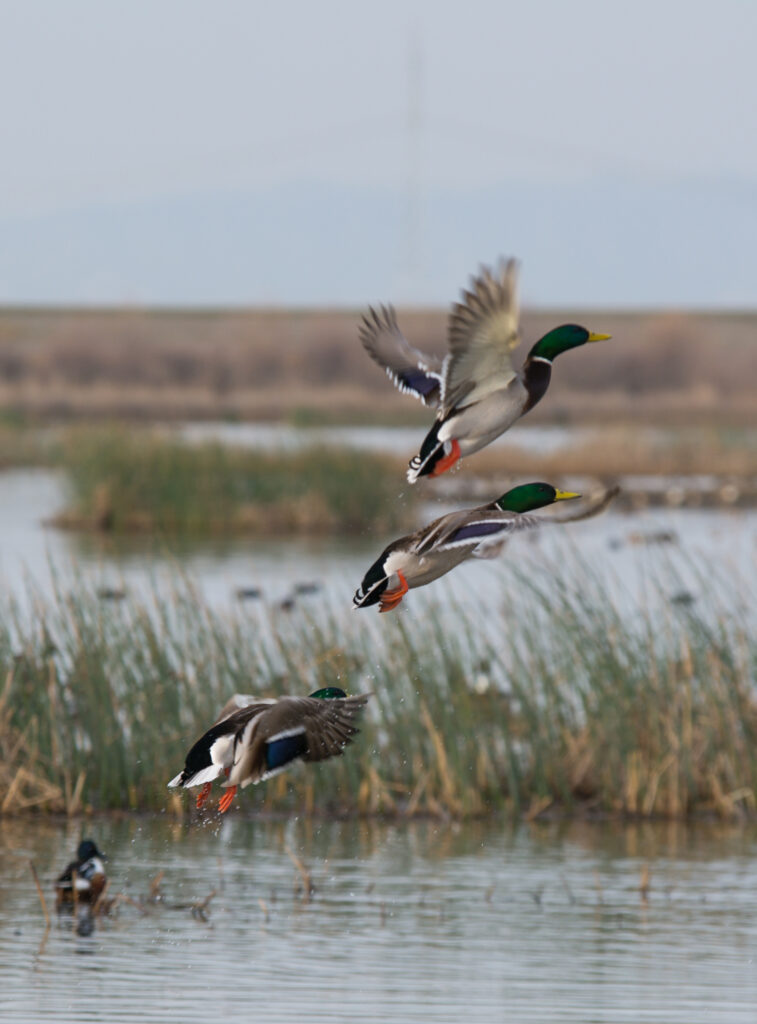
Photo: Pedro Ardapple, USFWS

Future of Arkansas Wildlife

CONSERVING GAME & FISH

While our mission today spans the full spectrum of wildlife to address the broader biodiversity crisis, AWF is deeply rooted in the sporting tradition.

From black bear to quail, Arkansas’s game species have been working to rebound since the early 20th century, when AWF was founded in response to widespread declines. AWF helped lead the creation of an independent wildlife agency empowered to set and enforce game and fish regulations — a turning point in restoring the state’s most iconic species. 

Since then, state and federal agencies, nonprofit partners, and dedicated conservationists have worked together to reintroduce, restore, and monitor healthy game populations central to Arkansas’s hunting heritage. But the work is far from finished. Habitat loss, climate change, invasive species, and emerging diseases continue to threaten these species, making ongoing conservation efforts more important than ever.

Did you know?

Over 500 species of plants and animals in Arkansas are “species of concern.”

We serve as an independent and nonpartisan voice for Arkansas wildlife.

Hover to See Key Facts

Wildlife Conservation

Black Bear

Black Bear

^^^^
POPULATIONS RECOVERING

Currently estimated at over 5,000 animals, populations in some parts of Arkansas have increased with bear sightings becoming more commonplace.

Elk

Elk

^^^^
FRAGILE POPULATION

Currently estimated at about 450 animals, Arkansas’ elk herd is challenged by a lack of suitable habitat.

White-tailed Deer

White-tailed deer

^^^^
ABUNDANT BUT CHALLENGED

The ongoing spread of chronic wasting disease (CWD), a fatal neurological disease, threatens Arkansas deer populations.

Quail

Quail

^^^^
RECOVERY NEEDED

Once abundant in Arkansas, populations have sharply decreased primarily due to loss of suitable habitat with recovery needed.

Wild Turkey

Wild Turkey

^^^^
DECLINING POPULATIONS

Once abundant in Arkansas, steady decreases have led to habitat recovery efforts and the ongoing importance of citizen-assisted population surveys.