

Keep Cats Indoors

Keeping Arkansas Wild

Safer for Cats, Better for Wildlife

Keeping cats indoors is one of the simplest and most powerful ways homeowners can protect wildlife—and keep their pets safer, too. Outdoor cats, even wellfed pets, are instinctive hunters. Their presence on the landscape has a significant impact on birds, small mammals, reptiles, and amphibians. At the same time, the outdoors exposes cats to dangers from cars and predators to disease and injury. Keeping cats indoors dramatically increases the lifespan of our feline friends.

How Cats Impact Wildlife

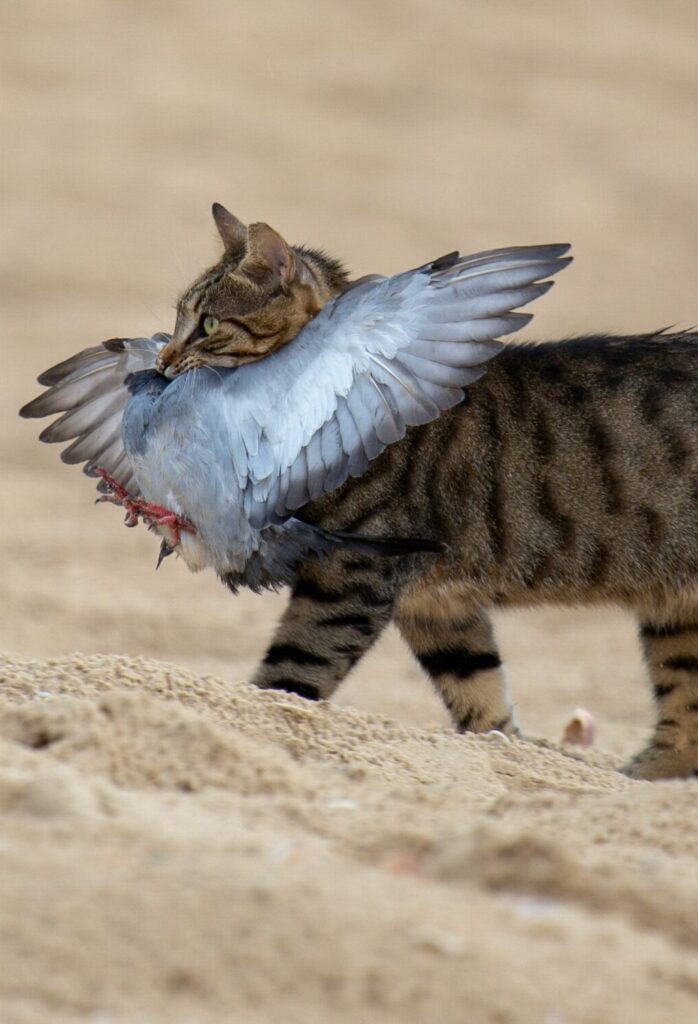
Domestic cats (Felis catus) can make wonderful pets – but allowed to roam outdoors, they pose a threat to wildlife.

Outdoor cats kill an estimated 2.4 billion birds each year in the U.S. alone, making cats the top source of direct, human-caused bird mortality in the U.S. They have contributed to the extinction of 63 species of birds, mammals, and reptiles.

Cats are not native to North America and are recognized as an invasive species by the U.S. Department of Agriculture. Even brief outdoor time can have outsized effects on local wildlife. In the United States, freeroaming cats kill billions of birds and small animals each year. 
Solutions

  • Cats kept indoors as kittens show little interest in going outdoors.
  • Catios (enclosed patios for cats) and window boxes allow your cat to safely survey the outdoors. 
  • Cats can be trained to enjoy leashes and strollers for supervised outdoor time.
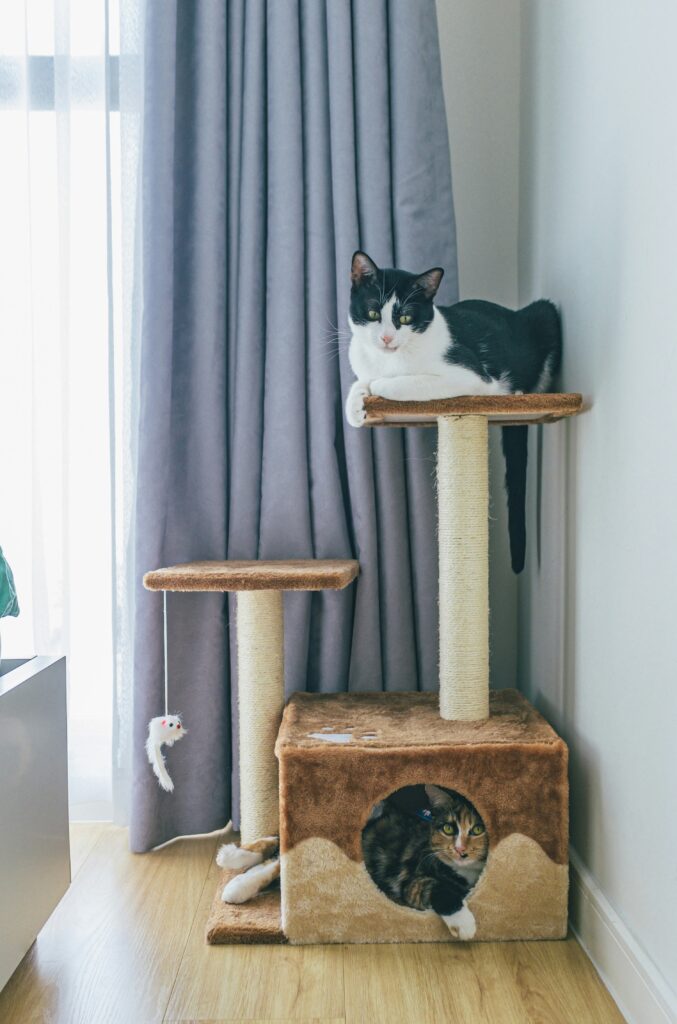
  • Indoor enrichment like vertical structures (cat trees), boxes, and toys keep cats safely entertained indoors.
  • Studies show that barn cats kill other wildlife far more than rodents – and often avoid adult rats altogether. (Natural predators do a better job.)
  • Spay and neuter pets to prevent overpopulation.
  • Support local ordinances to keep cats indoors and promote responsible ownership.