Ensure Sustainable Stewardship of Public Lands

Keeping Arkansas Wild

Ensure Sustainable Stewardship of Public Lands

AWF champions balanced, conservation-minded management of public lands that protects wildlife and long-term ecological health while supporting responsible recreational uses.

National Wildlife Refuges

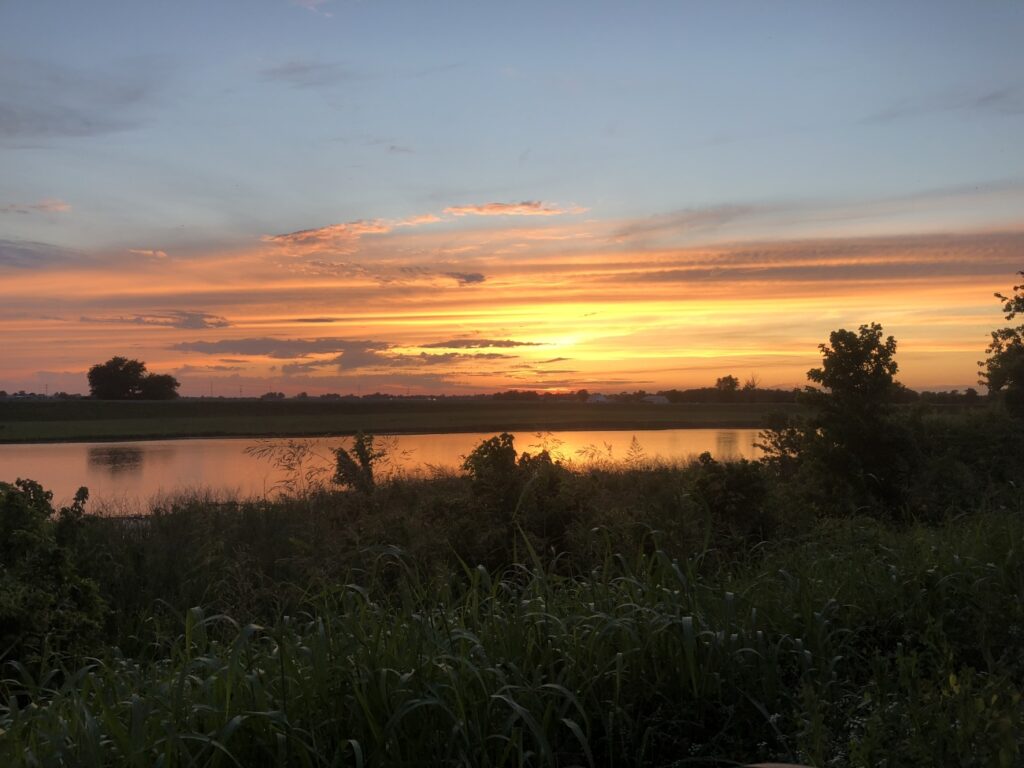
Arkansas’ 10 National Wildlife Refuges are among the most important strongholds for biodiversity in the state. Covering over 380,000 acres and home to over 1,000 species of wildlife, these refuges protect vast tracts of bottomland hardwood forests, wetlands, and migratory bird flyways—habitats that are irreplaceable for waterfowl, songbirds, endangered mussels, and countless other species. Refuges also provide some of the best outdoor recreational opportunities in the state, including hunting, fishing, and wildlife watching.

Unfortunately, decades of under-investment have resulted in limited access and degraded habitat at many refuges, including over $100 million in unmet maintenance on wildlife refuges in Arkansas. By prioritizing effective funding, protection, and management of national wildlife refuges, we help sustain the natural heritage that benefits people and wildlife alike.
Getting Outdoor Tourism Right in Arkansas

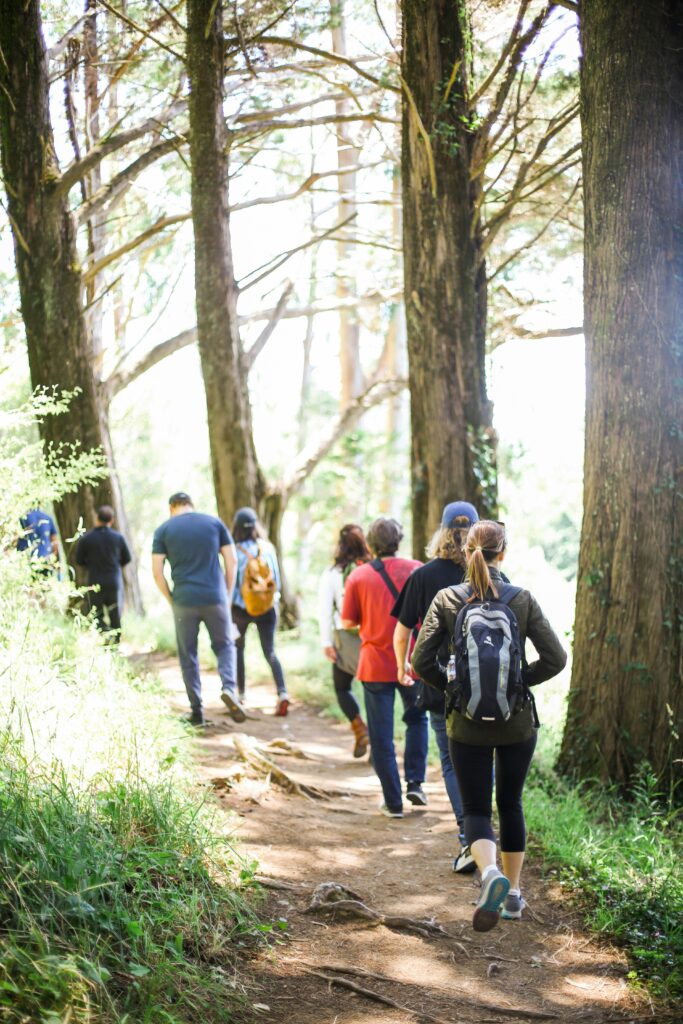
Arkansas is experiencing major growth in outdoor recreation, with state leaders actively promoting tourism and expanding access across the state. Indeed, Arkansas’ outdoor recreation industry contributes billions to the state’s economy and supports tens of thousands of jobs – a scale that brings both opportunity and pressure to our natural landscapes.

Without careful oversight, increased visitation can degrade sensitive habitats, strain natural resources, and diminish the very natural experiences people come to enjoy. As outdoor demand grows, Arkansas risks “loving its natural places to death” through overuse, overcrowding, and overdevelopment. Efforts to expand our outdoor economy must be matched with equal commitment to habitat protection and ecological sustainability.

“Getting outdoor tourism right” in Arkansas means planning beyond short-term economic gains and ensuring that the natural areas used for recreation have the planning, staffing, protections, and management resources needed to withstand growing visitation. By pairing tourism growth with conservation-first decision-making, Arkansas can protect the integrity of its natural heritage while still welcoming the world to enjoy it.