Recover Wildlife & Restore Habitats

Keeping Arkansas Wild

Recover Wildlife & Restore Habitats

AWF advocates for the recovery of declining wildlife and the restoration of the habitats they depend on.

Recovering America’s Wildlife Act

Recovering America’s Wildlife Act (RAWA) is our top federal priority because it would deliver the largest, most reliable investment (link to RAWA.pdf; attached) in proactive wildlife conservation in a generation—nearly $1.4billion annually to states and $97.5million to Tribes to implement sciencebased Wildlife Action Plans and keep atrisk species off the Endangered Species list. 

Onethird of U.S. wildlife faces elevated extinction risk. Dedicated, frontend funding is the most costeffective way to stem those declines while sustaining our robust outdoor economies.

Arkansas would receive $14.8 million annually to help recover the 425 animal and 95 plant species listed as “species of greatest conservation need” in our State Wildlife Action Plan. The current source of federal funding in Arkansas for locally-led wildlife conservation ($600,000 annually) is woefully inadequate to address the actions needed to recover at-risk species in The Natural State.

We stay on it—and remain hopeful—because RAWA has repeatedly attracted broad, bipartisan backing, cleared key committees, and continues to be reintroduced with strong momentum despite past setbacks over funding mechanisms, not substance.
State Wildlife Action Plan (AWAP)

Developed by experts using science-based data, the Arkansas Wildlife Action Plan (AWAP) identifies more than 500 Species of Greatest Conservation Need—species that are rare, declining, or insufficiently understood, and therefore require focused conservation attention. These species face major threats including habitat loss, fragmentation, invasive species, and other pressures that continue to reshape Arkansas ecosystems. By elevating the AWAP, we help ensure these species receive the coordinated, science-based stewardship they urgently need.

Most importantly, prioritizing AWAP helps prevent future listings under the Endangered Species Act by addressing threats early—before species reach crisis levels. The plan identifies risk factors and conservation actions that, when implemented proactively, can keep species off the federal endangered list and maintain healthy populations across the state. In a time when habitat loss remains the leading driver of species decline nationwide, lifting up the Arkansas Wildlife Action Plan is one of the most effective ways we can safeguard the rich biodiversity that makes the Natural State truly wild.

Endangered and Threatened Species

Arkansas is home to 36 federally endangered or threatened animals ranging from crayfish and freshwater mussels to birds, bats, fish, and insects. These species are listed under the Endangered Species Act (ESA) because they face severe pressures such as habitat destruction, waterway alteration, disease, and other environmental threats. Their presence on the federal list signals that without timely intervention, they are at risk of extinction.

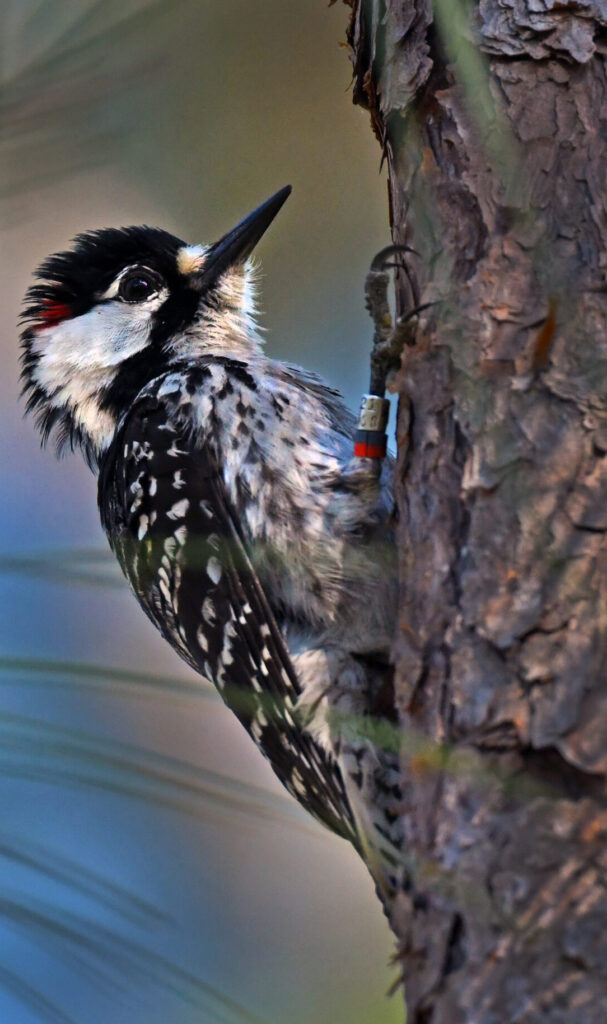
The ESA remains the nation’s strongest tool for preventing extinction. It establishes legal protections that make it illegal to harm, kill, or harass listed wildlife, and it requires federal agencies to ensure their actions do not jeopardize these species or their critical habitats. In Arkansas, this means safeguarding mature pine forests for the endangered red-cockaded woodpecker, preserving clean streams for imperiled mussels, and protecting caves and forests essential to endangered bats such as the Ozark big-eared bat and Indiana bat. These measures not only protect individual species but also help maintain the ecological health of the forests, rivers, and wetlands that support communities across The Natural State.

Arkansas’s history shows what happens when species decline without legal protection. The state has already seen the loss of several native animals, including the Eastern elk, which was eliminated by overhunting and habitat change by the late 1800s, and the passenger pigeon, which vanished by 1914. These losses underscore why the ESA matters – once a species is gone, it is gone forever. That’s why AWF is committed to joining with our state and national partners to defend the ESA from attempts to weaken it.